Published : 2025-02-19
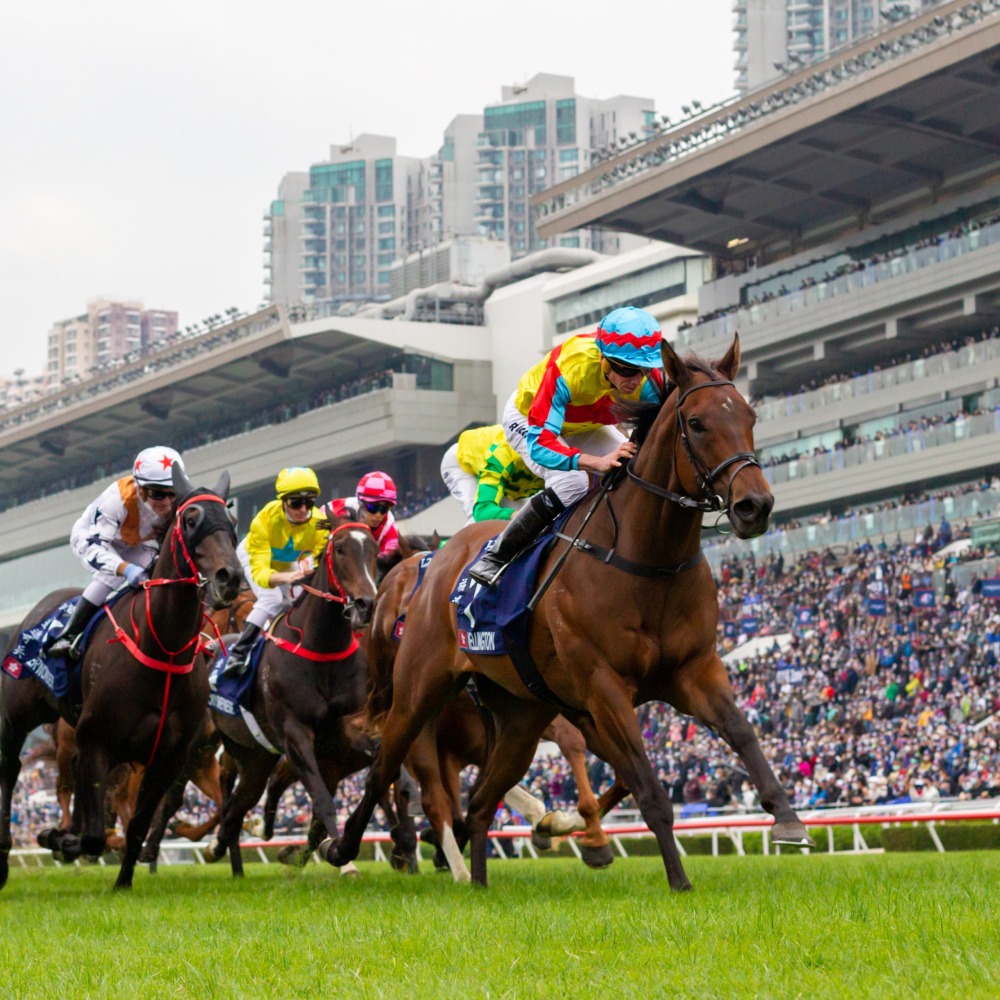
When talking about horse racing, one naturally thinks of the Hong Kong Jockey Club. Today, it offers not only to horse racing, Mark Six, and other gambling entertainment but also become a sponsor of numerous charitable and community service organisations.
However, looking back to its establishment 140 years ago, the Jockey Club's horse racing organised were merely social activities to attract a handful of wealthy individuals. The evolution and development over the years have witnessed changes in the social life of Hong Kong residents.
Horse racing was merely a social activity for the wealthy in early days
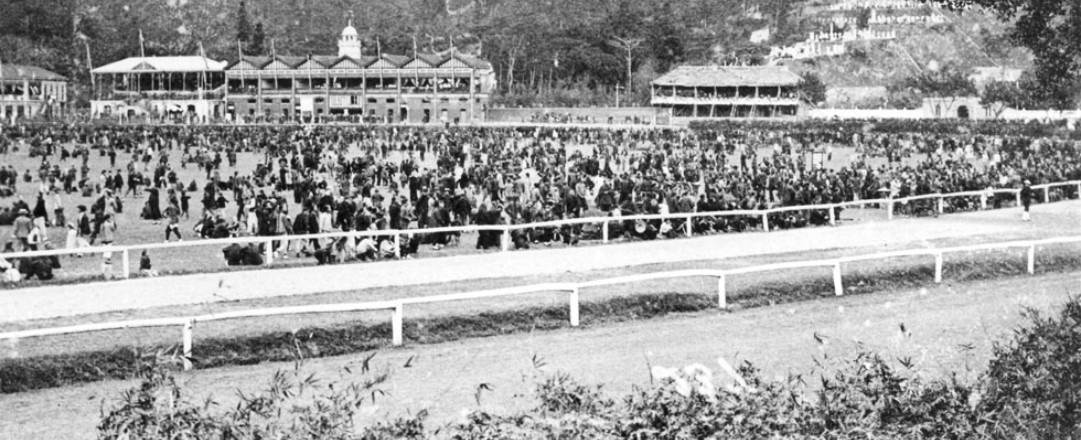
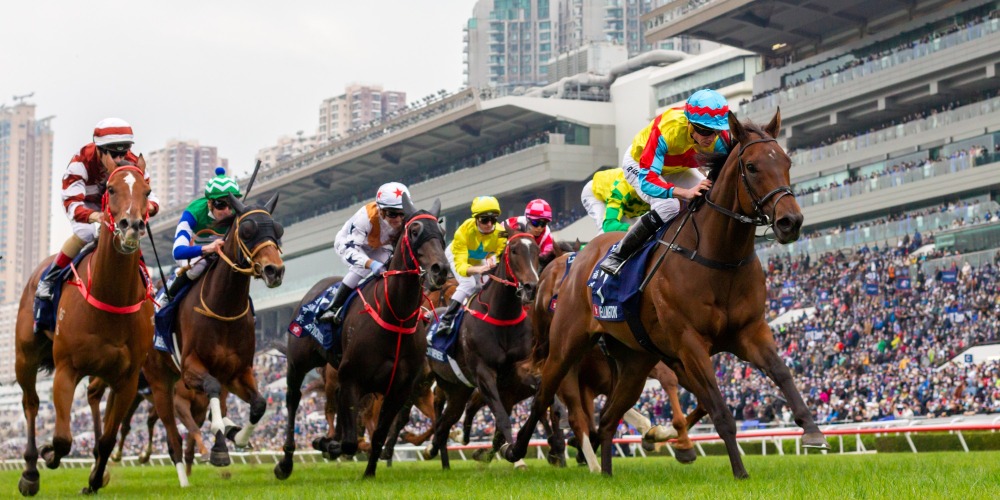
Today, horse racing in Hong Kong is a very popular activity for the masses. However, looking back at the first horse race held in Hong Kong in 1846, and the early days of the Hong Kong Jockey Club's establishment in 1884, horse racing was only a social and recreational event for wealthy individuals, out of reach for the general public.
Before the establishment of the Hong Kong Jockey Club, the wealthy elite engaged primarily in social gatherings like dinners and balls. As society developed, the need for entertainment among wealthy individuals continued to grow.
The British Hong Kong Government at that time hoped to introduce the horse racing sport, which was deeply embedded in British culture, to promote social interaction and economic development.
Early horse racing activities were very diverse, not limited to pure horse racing. It included various equestrian sports such as hurdle jumping and dressage, which were highly entertaining.
Horse racing in Hong Kong held once a year in early days
Later on, observing the thrill and tension of equine speed competitions, and considering the racecourse's spatial limitations which could not easily support jump races or large-scale equestrian events requiring complex facilities, Hong Kong's horse racing ultimately evolved to focus on flat racing. This direction also better aligned with public entertainment demands.
Horse racing in Hong Kong began at Happy Valley. In the past, Happy Valley was originally called Wong Nai Chung (黃泥涌), which was a marshland with a small stream carrying a lot of yellow mud, hence the name.
In 1846, the British Hong Kong Government reclaimed the farmland in Wong Nai Chung Valley and developed it into a racecourse, thus it was named "Happy Valley".
Initially, the horse racing events were held once a year, called the "Annual Grand Race", lasting three to five days.
The spectator stands were often filled with dignitaries and high-ranking officials. Several governors such as Sir John Francis Davis and Sir Francis Henry May, were actively involved in horse racing activities.
Read more: Recall the history of Hong Kong horse racing from Lunar New Year horse race
The HK Jockey Club introduced betting and gambling mechanisms in 1890s
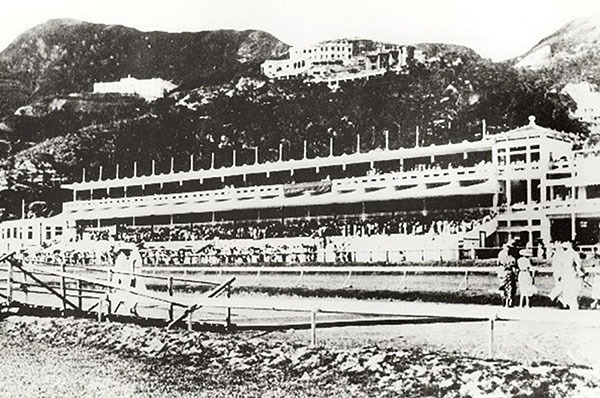
The Jockey Club, founded in 1884, initially remained unconnected to gambling. It was not until the 1890s, with the introduction of prize pools, betting, and gambling mechanisms, that horse racing began to become more accessible to the general public.
After World War II, Hong Kong residents' interest in horse racing continued to increase. However, at that time, people had to enter the Happy Valley Racecourse to bet on horse racing.
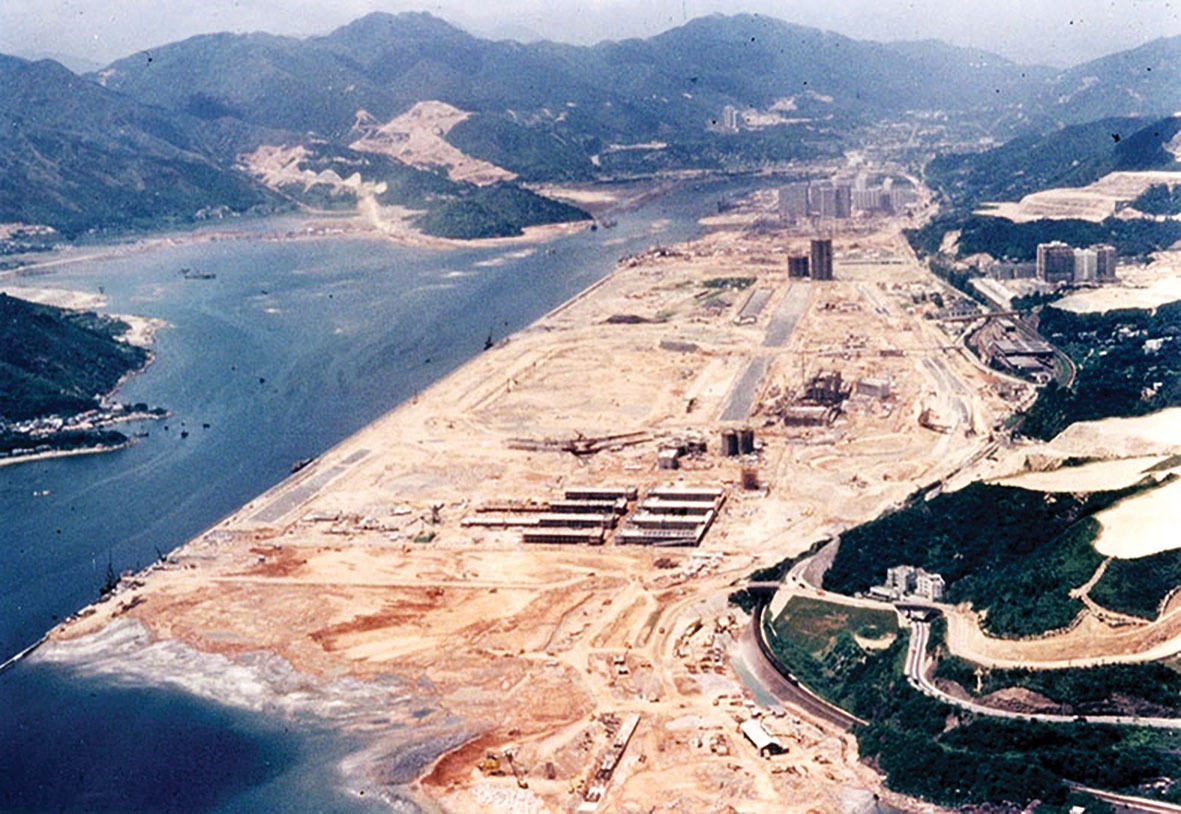
In the 1960s, on every race day, the Happy Valley Racecourse was always packed with people and every seat was taken, which led to the research and construction of a second racecourse in Sha Tin.
The Jockey Club opened off-course betting stations to address illegal gambling in 1970s

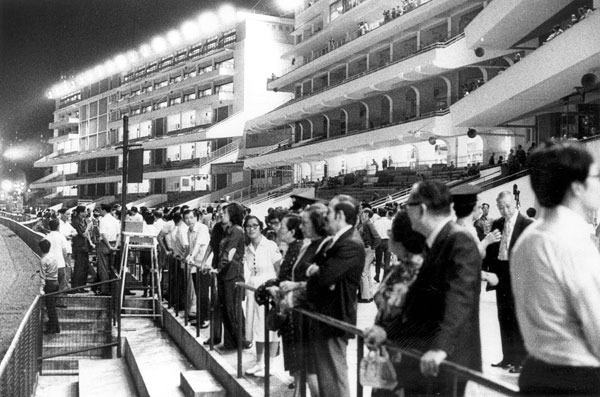
In the 1970s, Hong Kong horse racing reached a turning point. Originally, horse racing was amateur in nature, with enthusiasts serving as jockeys. However, as horse racing developed, the amateur jockey system became unable to meet the demand.
Therefore, since 1971, the Hong Kong Jockey Club professionalised horse racing by introducing professional jockeys. They not only hired professional jockeys from abroad but also starting an apprentice jockey training class to train local full-time jockeys.
The first graduates included Tony Cruz, who later became a multiple-time champion jockey.
As horse racing became more popular, the Jockey Club began to hold night races at Happy Valley Racecourse on Wednesday evenings, attracting racing fans to attend after work.
In 1974, they opened the first six off-course betting stations, and introduced telephone betting services to help combat illegal gambling.
In 1976, the Jockey Club was authorised to operate lotteries and launched "Mark Six" (六合彩) , allowing Hong Kong residents to spend 2 HKD on a chance to fulfil their dream of striking it rich with a "quick win".
In 1978, with the opening of Sha Tin Racecourse, horse racing became more popular and began to move towards specialisation, standardisation, and internationalisation.
By the late 1980s, both the quality of races and horse continued to improve, bringing Hong Kong's racing level in line with that of advanced countries. International Cup Races also started to be held, and Hong Kong-trained horses also participated in overseas competitions.
In 2003, the Jockey Club launched regulated football betting to combat illegal off-course gambling.
In 2008, Hong Kong became a co-host city for the equestrian events of the Beijing Olympics, due to its top-notch soft and hard infrastructure and facilities.
Today, the Hong Kong Jockey Club has developed into one of the world's top horse racing organisations. However, this is just part of the Hong Kong Jockey Club's history in the development of horse racing and other gambling entertainment.
Actually, it also supports various projects benefiting citizens through charitable donations, focusing in recent years on youth development, elderly services, sports and recreation, and arts, culture, and conservation, becoming an important supporter of social development in Hong Kong.
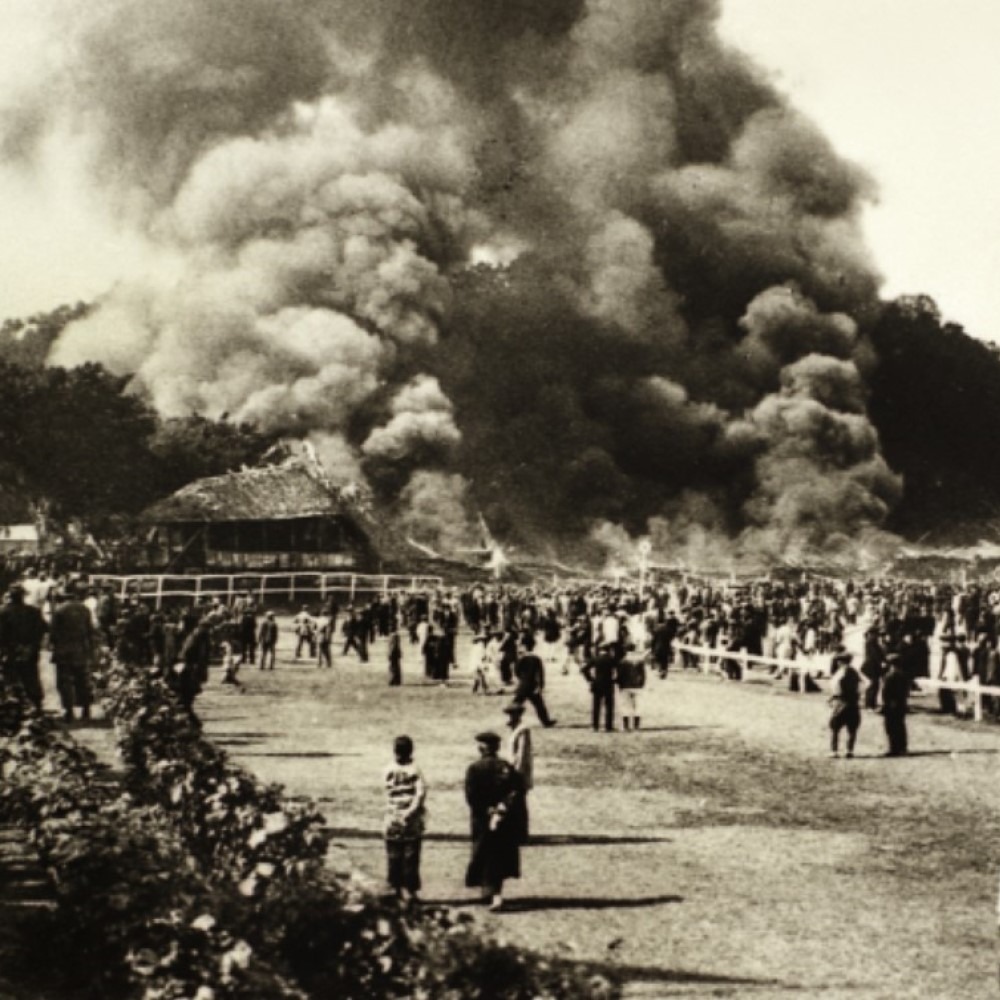
Read more: HK's most severe fire: Happy Valley Racecourse Fire in 1918